New Clients:
Get 8 FREE Hours of Professional Home Care

.webp)
Get 8 FREE Hours of Professional Home Care
Loneliness is one of the most serious and least visible health risks facing older adults today. According to the National Institute on Aging, older adults who are lonely or socially isolated tend to be less healthy, have longer hospital stays, are readmitted to the hospital more often, and are more likely to die earlier than those with meaningful social connections.
For families in Sacramento and the surrounding communities, that reality raises a question that is both practical and deeply personal: what can actually be done about it?
Companion care is one of the most direct and effective answers.
Companion care is a category of in-home care focused on social connection, emotional support, and meaningful engagement rather than medical or physical assistance. It is not the same as personal care, which involves hands-on help with bathing, dressing, or mobility. Companion care is about presence, conversation, shared activity, and the kind of consistent human connection that keeps older adults mentally and emotionally well.
At Noah's Dove, our companion care service is built around the understanding that quality of life depends on more than physical safety. A senior who is physically well but socially isolated is still at significant risk, and a caregiver who genuinely engages makes a measurable difference in that person's day, mood, and long-term health.
Seniors aging at home face a particular set of circumstances that make loneliness more likely over time. Retirement removes a daily social structure. Mobility limitations reduce the ability to get out and maintain friendships. The loss of a spouse or close friends significantly narrows the social circle. And adult children, however loving and attentive, often live at a distance or carry full-time work and family obligations of their own.
The result is that many seniors spend most of their days with very little meaningful interaction, not because no one cares, but because the practical structure of daily life no longer provides it automatically. This is the gap that companion care is specifically designed to fill.
At Noah's Dove, our caregivers approach each client as an individual, learning what genuinely engages them rather than defaulting to a generic list of activities. Companion care typically draws from the following:
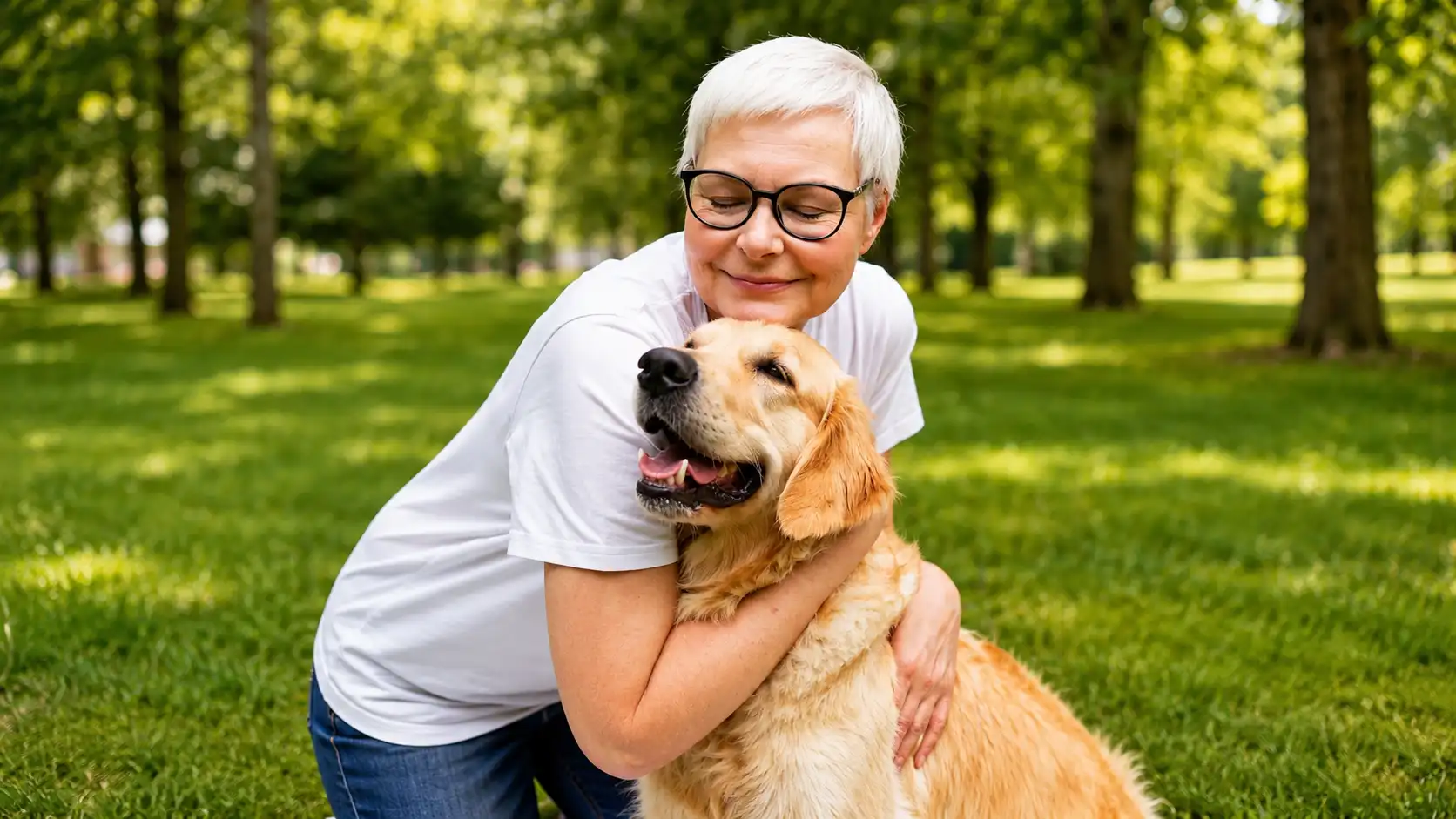
Conversation and active listening form the core of what a companion caregiver provides. For many seniors, having someone to talk to who listens attentively and responds with genuine interest is itself a significant intervention against loneliness.
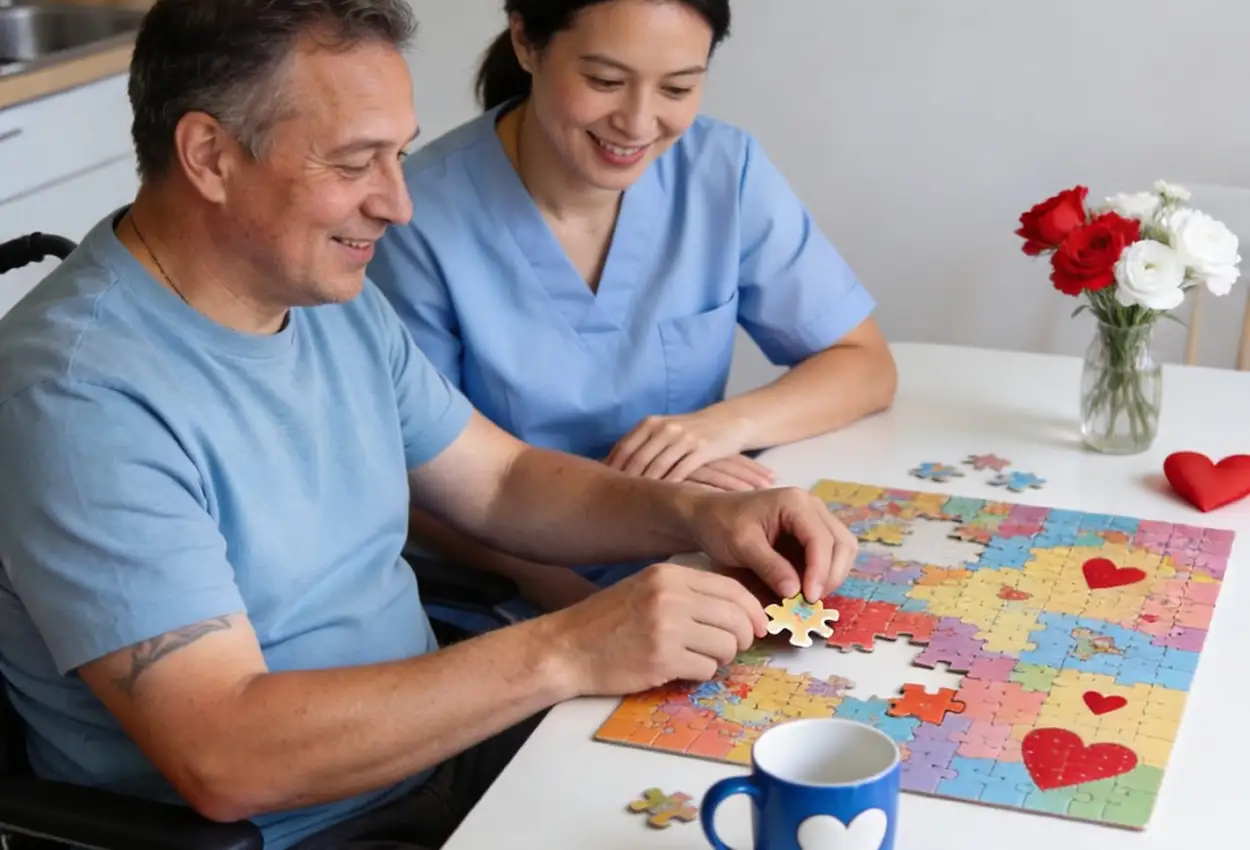
Shared activities and hobbies keep seniors mentally active and give their days a sense of purpose and enjoyment. Whether that means playing cards, working on a puzzle, reading together, tending a garden, or simply watching a favorite program with someone present, the shared experience matters as much as the activity itself.
Accompaniment and errands help seniors stay connected to the world outside their home. Our caregivers accompany clients on walks, outings, and social events, providing both the practical support and the companionship that make getting out feel worthwhile. For clients who also need transportation to appointments or social activities, our senior transportation service can be incorporated into their care plan.
Cognitive engagement activities play an important role in companion care, particularly for seniors who are at risk of, or already experiencing, cognitive decline. Our Montessori-inspired approach to cognitive engagement uses interest-based, purposeful activities to keep the mind active as part of a broader companion care routine.
Emotional support and encouragement round out what a companion caregiver provides. Aging at home can bring real emotional challenges: grief, anxiety, frustration with physical limitations, and a sense of disconnection from a life that once felt fuller. A caregiver who notices these shifts and responds with patience and warmth provides something that no medical intervention can replicate.
Companion care is appropriate for a wide range of seniors, not only those who are visibly isolated or in significant decline. The following situations are strong indicators that companion care would make a meaningful difference:
Because our companion caregivers are present regularly and build genuine relationships with clients, they are often the first to notice changes in mood, cognition, appetite, or physical condition that warrant attention.
This makes companion care not just a social service but also an early warning system for families who want to stay informed about their loved one's well-being without relying solely on periodic visits or the senior's self-reporting.
As needs grow, companion care integrates naturally with ADL support, medication assistance, and light housekeeping, allowing a care plan to expand without requiring an entirely new approach or set of caregivers.
With more than 25 years of experience, our team provides companion care to seniors throughout Sacramento, Elk Grove, Folsom, Roseville, Citrus Heights, and Rancho Cordova.
We thoughtfully match clients with caregivers, prioritizing compatibility and consistency so the relationship that forms is genuine rather than a rotation of unfamiliar faces. For a full overview of our offerings, visit our companion care service page.
The families we work with speak consistently to the difference that attentive, reliable care makes in practice.
"I've had a great experience with Noah's Dove. Their professionalism, reliability, and excellent customer service truly set them apart. Every interaction has been smooth and efficient, and they consistently go above and beyond. Highly recommend!"
A. De la Cruz
"Very knowledgeable and caring staff. Willing to help and guide you through the process."
D. Buchanan
The right time to explore companion care is before isolation becomes entrenched. Starting the conversation early gives your family time to find the right fit and build a routine that your loved one genuinely looks forward to.
Noah's Dove is BBB-accredited and licensed by the California Department of Social Services. We are currently offering new clients 8 free hours of professional home care. If your family is looking for companion care in Sacramento or the surrounding communities, we would welcome the chance to talk.
Schedule a free care consultation and let us help you build a plan that works.