


New Clients:
Get 8 FREE Hours of Professional Home Care

.webp)
Get 8 FREE Hours of Professional Home Care



School Teacher
Engineer
Marketing Manager
Financial Advisor
Retired Veteran
Physician


Disability care requires specialized approaches that honor each person's abilities, preferences and goals. Our caregivers receive specific training in mobility assistance, adaptive communication, behavioral support and person-centered care techniques. We create supportive routines that promote independence while providing assistance where needed
Each care plan is designed around the individual's specific disability, personality, daily routines and life goals.
Our disability care services address the full spectrum of daily needs for adults with physical, developmental or intellectual disabilities.
We assist with personal care and hygiene routines, medication reminders and management, meal preparation and feeding support, mobility assistance and transfers, adaptive equipment support, community integration and social activities, transportation to appointments and programs, and household tasks. Each service is delivered with respect for the individual's preferences, pace and capabilities.
We learn each person's preferred communication methods, including adaptive devices, sign language basics and nonverbal cues so they feel heard and understood.
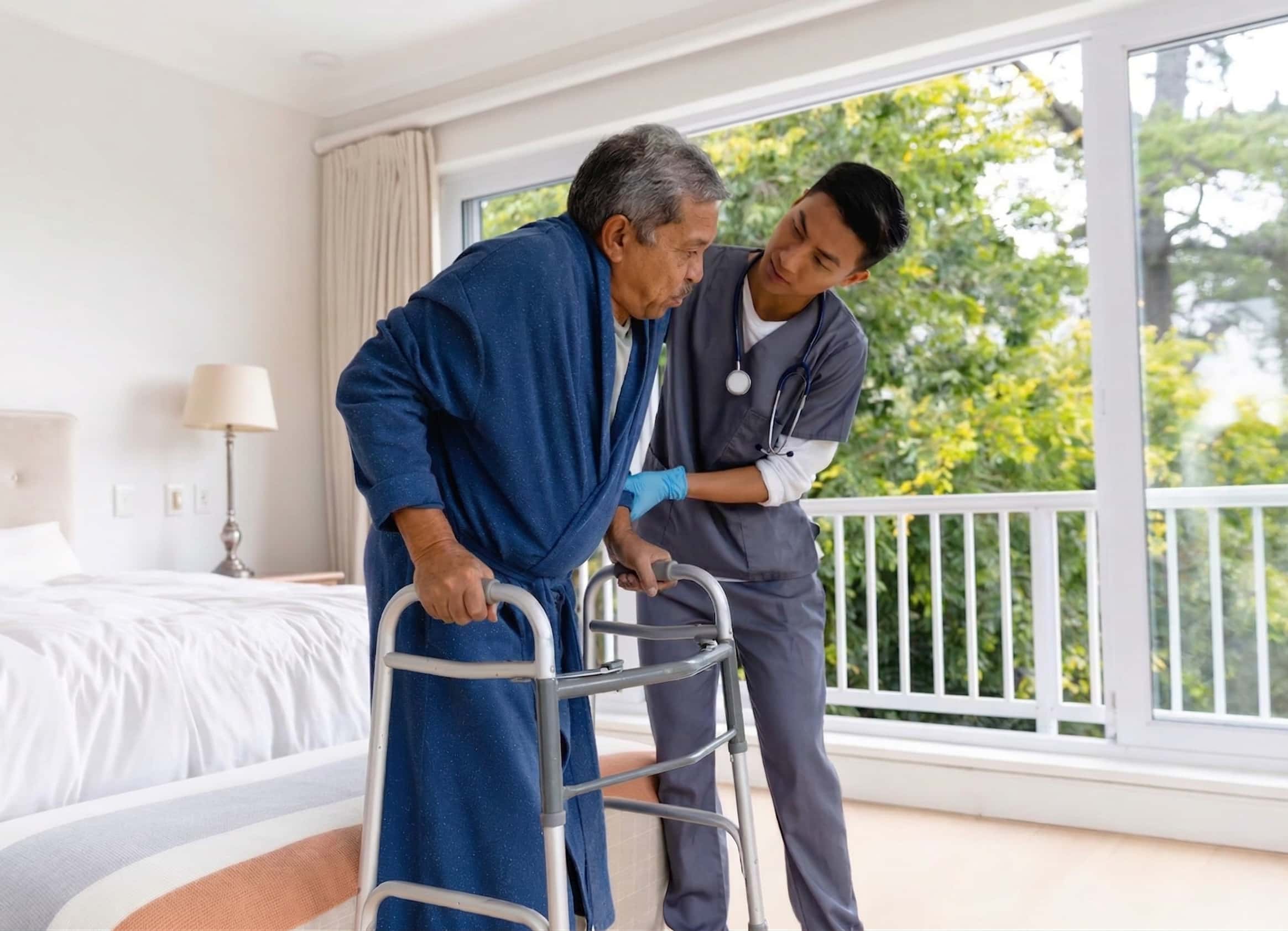
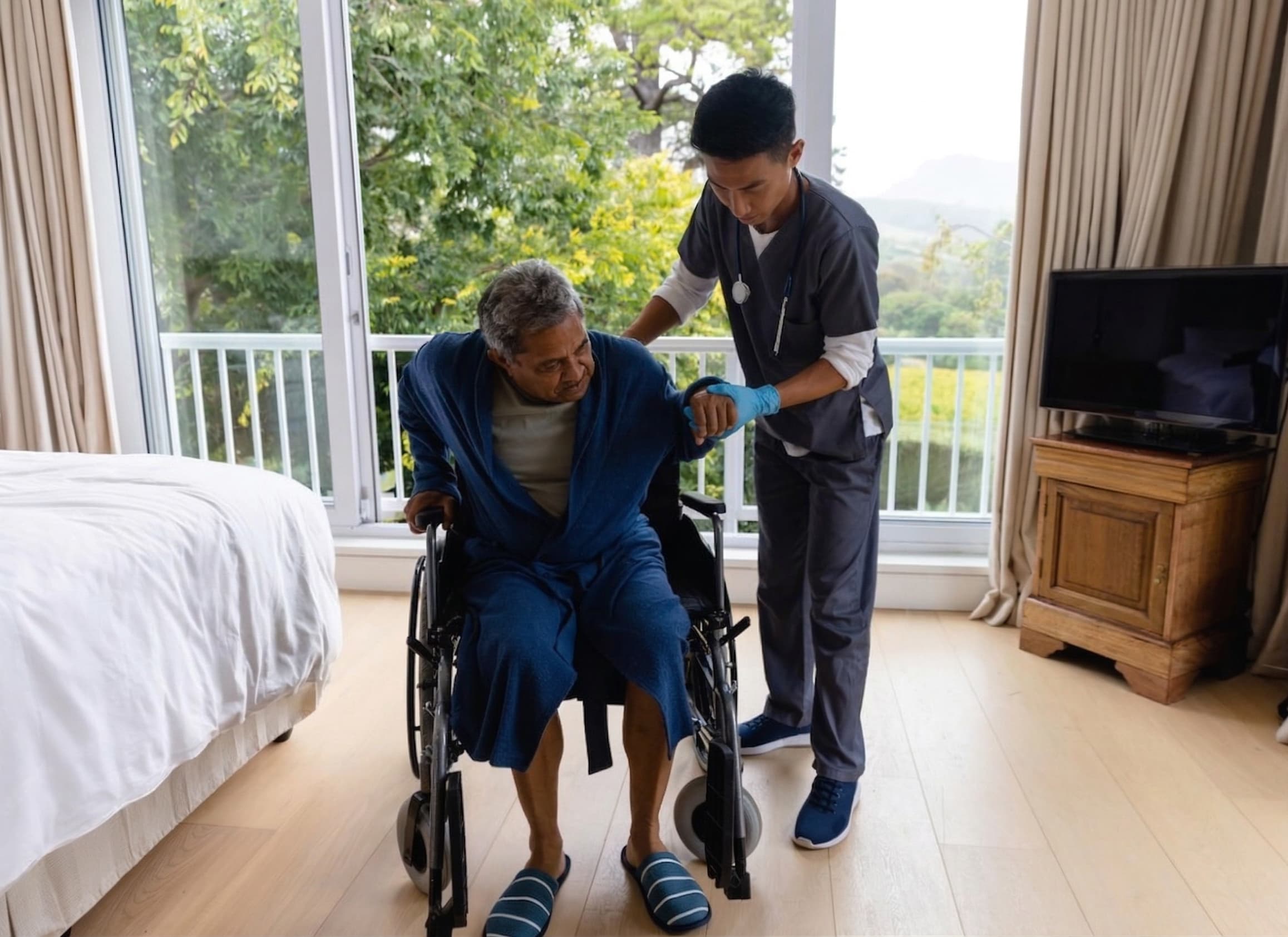
We assist with transfers, adaptive equipment, positioning and fall prevention while promoting maximum independence in movement.
We support bathing, dressing, grooming and toileting with patience and privacy, honoring routines, preferences and autonomy.
We adapt to dietary needs, texture modifications, feeding assistance and adaptive utensils so meals feel comfortable and enjoyable.
We support participation in day programs, social activities, volunteering, employment and community life based on individual interests and goals.
Your plan includes steady, two-way communication in the way you prefer. We share simple updates on health, mood, activities and goals, and we listen to what you are seeing at home. We build in caregiver respite so you can rest without worry. We offer practical support for care coordination and connecting with community resources. If you want us to, we coordinate with therapists, case managers and medical providers to support your loved one's care team.
Most of all, we protect dignity. We learn life stories and preferences, respect choices and boundaries, and adjust care to support goals. Our support is for your loved one and for you.

Gentle First Conversation
We listen to your story. We learn about the disability, daily routines, preferences, abilities, support needs, goals and what feels hard right now. We agree on how you want updates.
Personalized Care Plan
We build a simple, written plan that fits today and looks ahead. It includes a daily rhythm, communication strategies, meaningful activities, mobility support, safety steps and family preferences.
Thoughtful Caregiver Match
We match on disability care experience, personality fit and schedule needs. Your caregiver is fully briefed before the first visit.
Steady Support and Adjustment
Needs change. We watch for shifts, adjust the plan, offer extra coaching for caregivers, and keep open, regular check-ins with your family. Quick care conferences make sure what works stays in place.
Team members receive targeted training in physical disabilities, developmental disabilities and intellectual disabilities with ongoing coaching and supervision.
We prioritize consistent caregiver assignments, with a small backup team when needed to keep routines steady.
Plans reflect abilities, preferences, goals and stage of life. We adjust as needs change.
From a few hours to 24/7. Update days and times without hassle.
We handle the details so care can begin quickly and smoothly.
Short, practical updates in the format you prefer, plus quick check-ins when something changes.
Respite options, resource connections and regular care reviews so you feel informed and supported.
We can share notes and, if you wish, join appointments to help communicate needs and goals.
Our disability care services support families helping adults with disabilities live independently at home.

We adapt our approach for individuals with mobility limitations, chronic conditions, traumatic injuries, developmental delays, autism spectrum disorders, cerebral palsy, Down syndrome, brain injuries and other conditions requiring specialized support.

Beyond disability care, Noah's Dove provides comprehensive support to help individuals thrive at home.
Professional caregivers provide assistance with daily activities including housekeeping, meal preparation, personal hygiene and companionship. Our personalized in-home care services adapt to changing needs while promoting independence and dignity.
Consistent and regular evaluations are essential to maintain a safe and comfortable living environment. Professional home safety assessments identify accessibility barriers, fall risks and hazards, with detailed reports including prioritized recommendations and solutions.
Personalized meal plans and nutritional guidance designed by senior dietary experts. Our senior nutrition support and meals address dietary restrictions, texture modifications and special needs while promoting proper hydration and balanced nutrition.
Reliable and safe transportation for medical appointments, therapy sessions, day programs, social activities and errands. Our senior transportation services provide specially trained drivers who understand balance issues and offer door-to-door support with accessible vehicles.
Smart home technology solutions ranging from fall detection systems to video monitoring and perimeter cameras. Our digital monitoring and security systems provide 24/7 peace of mind through remote monitoring and emergency alerts.
We provide disability care services to families in West Sacramento, Sacramento, Elk Grove, Carmichael, Fair Oaks, Citrus Heights, Orangevale, Rancho Cordova, Folsom, Roseville, Granite Bay, Rocklin, El Dorado Hills, Cameron Park, Placerville, Davis, Woodland, Winters, Vacaville, and Dixon. Our local presence means caregivers can respond quickly to changing needs and families have access to our support team.
Questions about our disability care services? Contact us to speak with a senior care specialist.


