New Clients:
Get 8 FREE Hours of Professional Home Care

.webp)
Get 8 FREE Hours of Professional Home Care
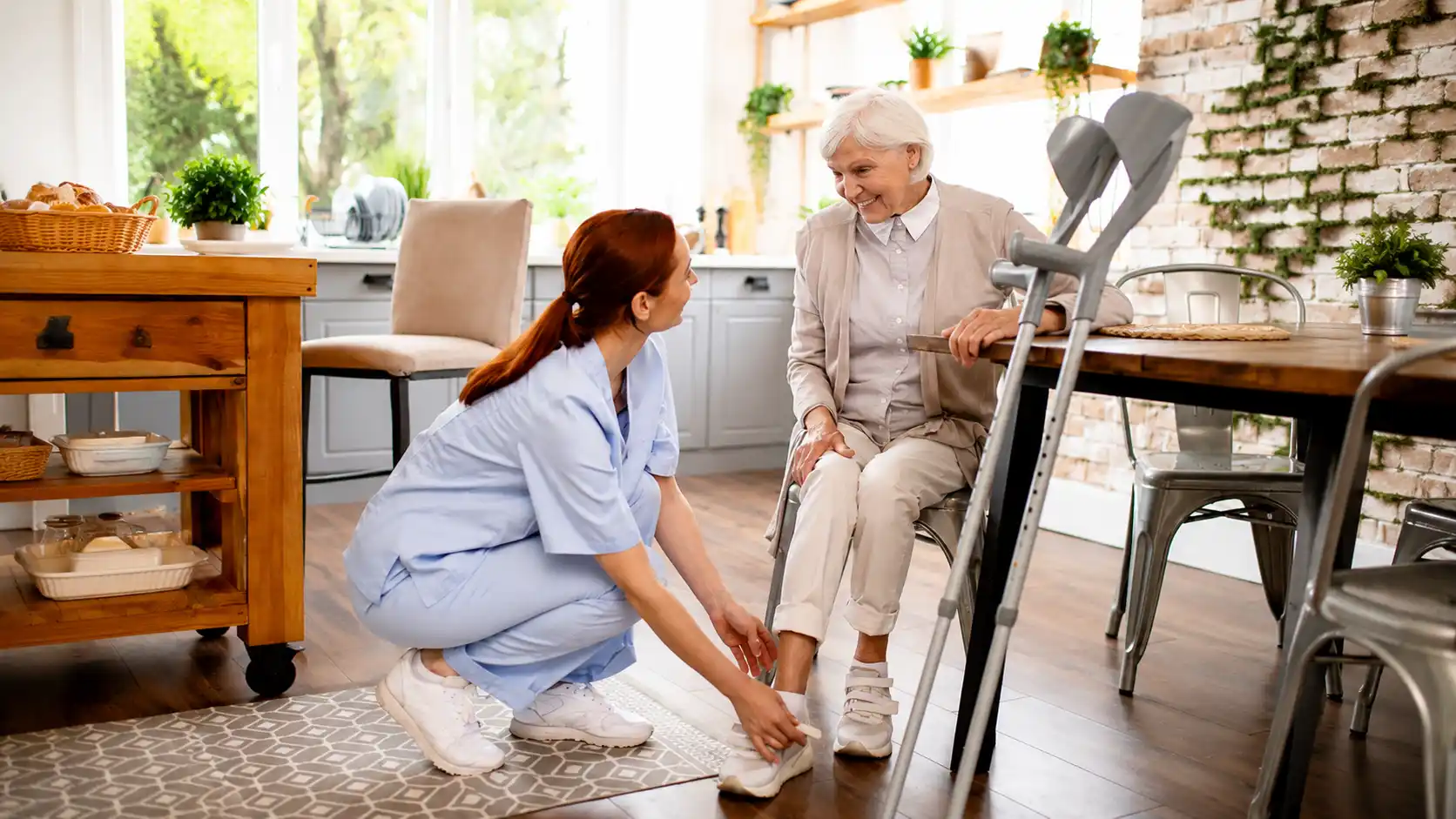
It often starts small. A hand reaching for the counter before standing up. A pause at the top of the stairs to find the railing first. A slower walk across the kitchen floor than there used to be.
These little adjustments are easy to miss, but they are usually the first sign that balance is changing, and balance exercises for seniors are among the most effective ways to respond before that change leads to a fall.
For families across Sacramento watching a parent or grandparent move a little more carefully than they used to, that shift can feel unsettling. The good news is that balance is not fixed. It responds to practice, and the right exercises can make a real difference in how steady and confident a senior feels in their own home.

Balance depends on several systems working together. Muscle strength in the legs and core, the inner ear's sense of motion, vision, and the nerves that send signals between the brain and the feet all play a part. As people age, each of these systems tends to slow down a little, and the combined effect is that the body reacts more slowly to shifts in weight and posture than it used to.
This decline is gradual, which is part of what makes it tricky. Families often notice the warning signs long before the senior in question feels ready to call it a problem. A missed step that almost became a fall. A moment of dizziness standing up too quickly.
These moments are worth paying attention to because they tend to recur and worsen without some form of intervention.
The encouraging part is how much research backs up exercise as a solution, not just a suggestion. A systematic review and meta-analysis published in the peer-reviewed journal PeerJ, hosted on the National Institutes of Health's PMC archive, pooled results from six randomized controlled trials involving 950 older adults.
The findings showed that the group who took part in structured exercise had odds of falling roughly a third of those of the group who did not exercise, a statistically significant result.
That is not a small effect. It means consistent practice, including balance-specific movements, genuinely changes outcomes rather than just making someone feel a bit steadier in the moment. The same review found measurable improvements in standing balance and reaction speed among participants who followed a structured routine, which lines up with what caregivers see in daily life: seniors who stay active tend to recover their footing faster and fall less often.

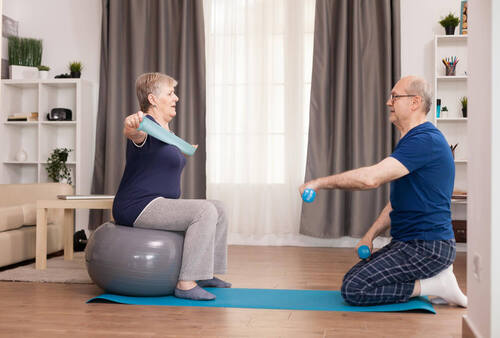
None of these require equipment or a gym membership, and most can be done while holding onto a sturdy chair or counter for support at first.
Starting slowly matters more than starting hard. A few minutes a day, done consistently, builds the kind of steady improvement the research points to. Anyone with a recent fall, dizziness, or a diagnosed balance condition should talk with a doctor before beginning a new routine.
Exercises work best when they actually happen, and that is often where families run into trouble. A senior living alone may skip the routine on a tired day, feel unsure about how to do an exercise correctly, or simply forget. This is one of the quieter ways that companionship and consistent support change outcomes for seniors.
Whether a caregiver is visiting a client in Folsom or checking in with a family in Citrus Heights, that steady presence means someone is there to gently remind a client to do their exercises, observe how they are moving day to day, and flag concerns before a small wobble becomes a fall.
Our team approaches this as part of a broader picture of care, where mobility, safety, and connection reinforce one another rather than being treated as separate problems. Families interested in this kind of consistent, personalized structure can explore our comprehensive senior services for a sense of what ongoing support actually looks like.

For more than 25 years, Noah's Dove has provided in-home senior care throughout Sacramento County, including communities like Roseville, with a team of more than 100 trained professionals who understand how mobility and confidence are connected. We build care plans around what each senior actually needs day-to-day, whether that means encouragement through a balanced routine, help around the home, or simply someone present who notices when something has changed.
Families who want extra peace of mind often pair a balanced routine with a home safety assessment to identify hazards such as loose rugs or poor lighting that increase fall risk in the very rooms where exercise happens.

A consistent balance routine paired with the right support at home can change how steady and independent someone feels day to day. Whether that means a gentle reminder here and there or more regular hands-on assistance, building a plan around real needs makes the difference.
Schedule a care consultation with our team to talk through what steady, confident movement could look like for your family.