New Clients:
Get 8 FREE Hours of Professional Home Care

.webp)
Get 8 FREE Hours of Professional Home Care

Getting older does not have to mean slowing down. Many local seniors feel more capable and engaged in their seventies and eighties than they expected, and the difference usually comes down to a handful of consistent daily habits rather than one big change. These healthy aging tips focus on the habits that move the needle most: movement, mental engagement, nutrition, sleep, and a safer home.
According to the CDC, more than one in four adults aged 50 and older report no physical activity outside of work in a typical month, and that share climbs the older people get. The encouraging part is what this really shows. Movement is one of the most available, most improvable habits in the entire healthy aging picture, and even small steps forward tend to pay off within weeks rather than years.
None of the habits below require a complete lifestyle overhaul. Most of the benefit comes from choosing one or two that fit naturally into an already busy week and sticking with them long enough to notice a real difference in energy, mood, or independence.
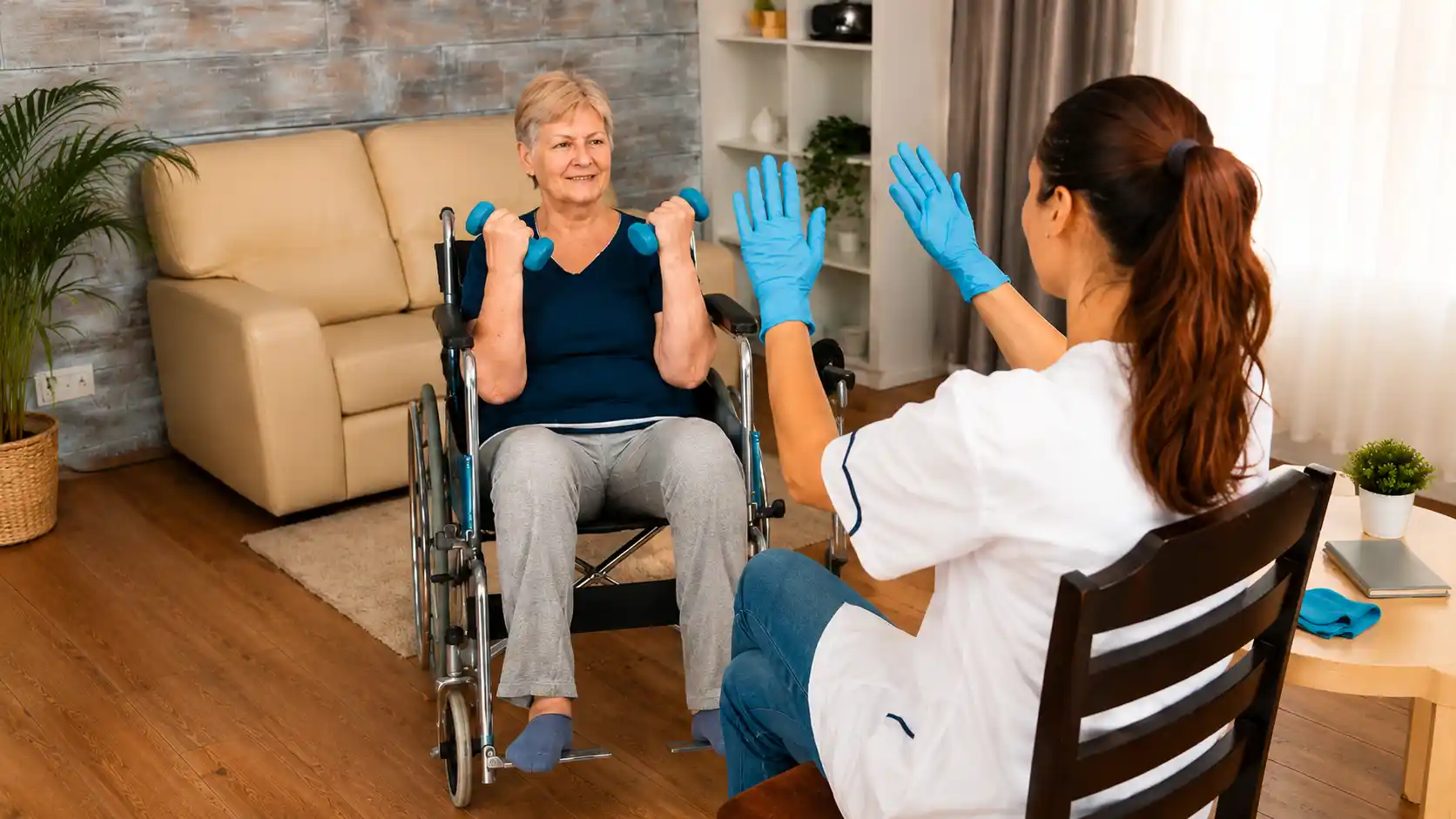
Staying active does not require a gym membership or a demanding routine. A short walk around the block, light stretching in the morning, or a few minutes of gardening all count toward the same goal, which is keeping muscles strong and joints mobile enough to support everyday independence.
Balance-focused movement matters just as much as cardio. Simple exercises that challenge stability, done a few times a week, measurably reduce fall risk over time. Getting to a fitness class, a physical therapy appointment, or a community walking group is often the hardest part, which is why reliable senior transportation services remove one of the biggest barriers to staying consistent.
Consistency beats intensity here. A senior who walks for fifteen minutes most days will typically see better long-term results than one who pushes hard once a week and skips the rest. The goal is a habit that survives a busy week, not a routine that only works on a perfect one.
Cognitive health responds to the same principle as physical health: use it consistently and it holds up better over time. Reading, puzzles, learning a new skill, and simply having regular meaningful conversation all count as legitimate brain exercise, and the format matters less than the consistency.
Social connection deserves equal attention. Isolation is one of the more overlooked risks for older adults, and its effects on mood and memory are significant. Regular visits, phone calls, or a structured companion who shows up on a consistent schedule can make the difference between a week that feels empty and one that feels full.
For families who cannot always be present themselves, professional cognitive engagement support gives seniors a reliable source of conversation, activity, and mental stimulation built around their actual interests rather than a generic program. That consistency is often what turns a good intention into an actual habit.
Food and rest are the foundation everything else is built on. Seniors who eat a varied diet with enough protein, fiber, and hydration tend to maintain energy and muscle mass far better than those relying on convenience foods out of habit or fatigue.
Sleep quality changes with age, and that shift is normal, but the need for roughly seven to nine hours of rest does not go away. A consistent bedtime, a cool and dark room, and less screen time before bed all support deeper, more restorative sleep.
For seniors managing multiple dietary needs, or simply losing interest in cooking for one, planned meals and nutrition support can restore both the routine and the enjoyment of eating well. A good meal plan should feel like something to look forward to, not another chore.
Most falls happen at home, and most of the hazards that cause them are fixable. Loose rugs, poor lighting, and missing grab bars in bathrooms are common, correctable problems rather than unavoidable parts of getting older.
A room-by-room home safety assessment catches issues that are easy to miss after years of living in the same space. Small changes, like brighter hallway lighting or a properly placed grab bar near the shower, often prevent the kind of fall that leads to a hospital stay and a long recovery.
Home safety and independence go hand in hand. A home that has been checked and adjusted for the way someone actually moves through it today is one less thing to worry about tomorrow.
Noah's Dove provides in-home senior care built around a Montessori-inspired approach that treats independence as the goal, not just a byproduct of assistance. Our team is licensed through the California Department of Social Services and BBB accredited, and we serve families throughout Sacramento, West Sacramento, Elk Grove, Carmichael, Citrus Heights, Rancho Cordova, and Folsom.
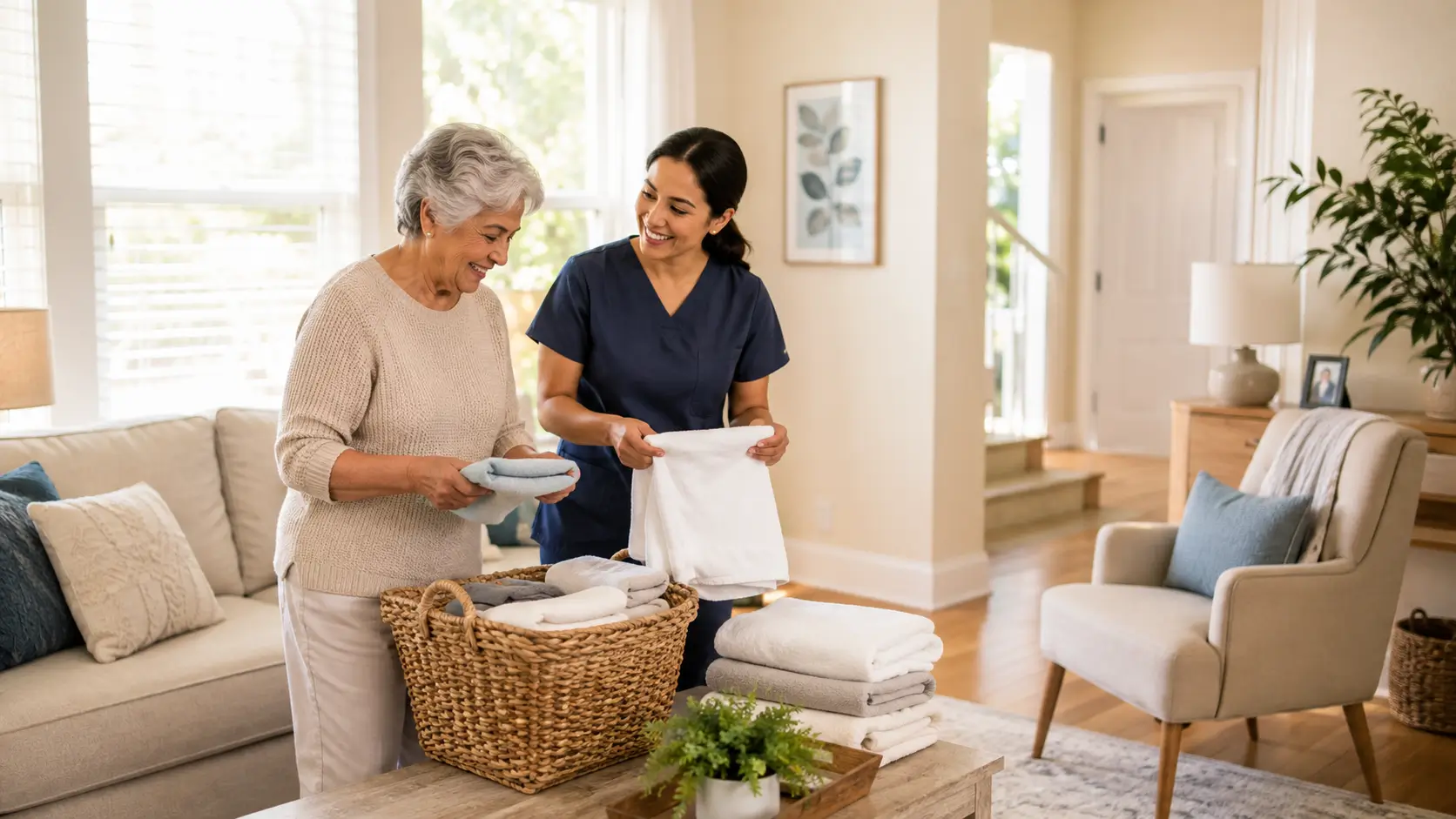
Every care plan starts with the habits that matter most to that specific senior, whether that means a caregiver who encourages a daily walk, a companion who helps prepare balanced meals, or simply someone who shows up for real conversation on a schedule that can be counted on.
Healthy aging is rarely about one dramatic change. It is about steady support for the habits that already work, applied consistently enough to become part of daily life.
Families across the Sacramento region turn to home care not because a senior has stopped being capable, but because a little consistent support makes it easier to stay that way.
What is the single most important habit for healthy aging?
No single habit works in isolation. Movement, nutrition, sleep, mental engagement, and a safe home all reinforce each other, so the habit that matters most is usually whichever one a senior is genuinely likely to stick with long term.
Is it too late to build healthier habits later in life?
No. Seniors who start new habits in their seventies, eighties, or beyond still see measurable benefits in strength, mood, and cognitive function. The starting point looks different for everyone, but the benefits are not reserved for those who started young.
A short conversation can help identify which of these habits would make the biggest difference for your loved one right now, along with what kind of support would make it easiest to actually stick with.
Schedule a free consultation with our care team to talk through what daily support could look like.