New Clients:
Get 8 FREE Hours of Professional Home Care

.webp)
Get 8 FREE Hours of Professional Home Care

A 2024 national survey by AARP found that 66% of adults age 50 and older say technology makes daily life and aging easier (Kakulla, 2025). The stereotype that older adults resist technology is, for most, simply wrong. What many seniors struggle with is the gap between wanting to use technology and feeling capable of doing so well.
Small fonts, confusing interfaces, and fear of online scams can turn a potentially helpful tool into a source of real frustration. A few targeted strategies can close that gap considerably.
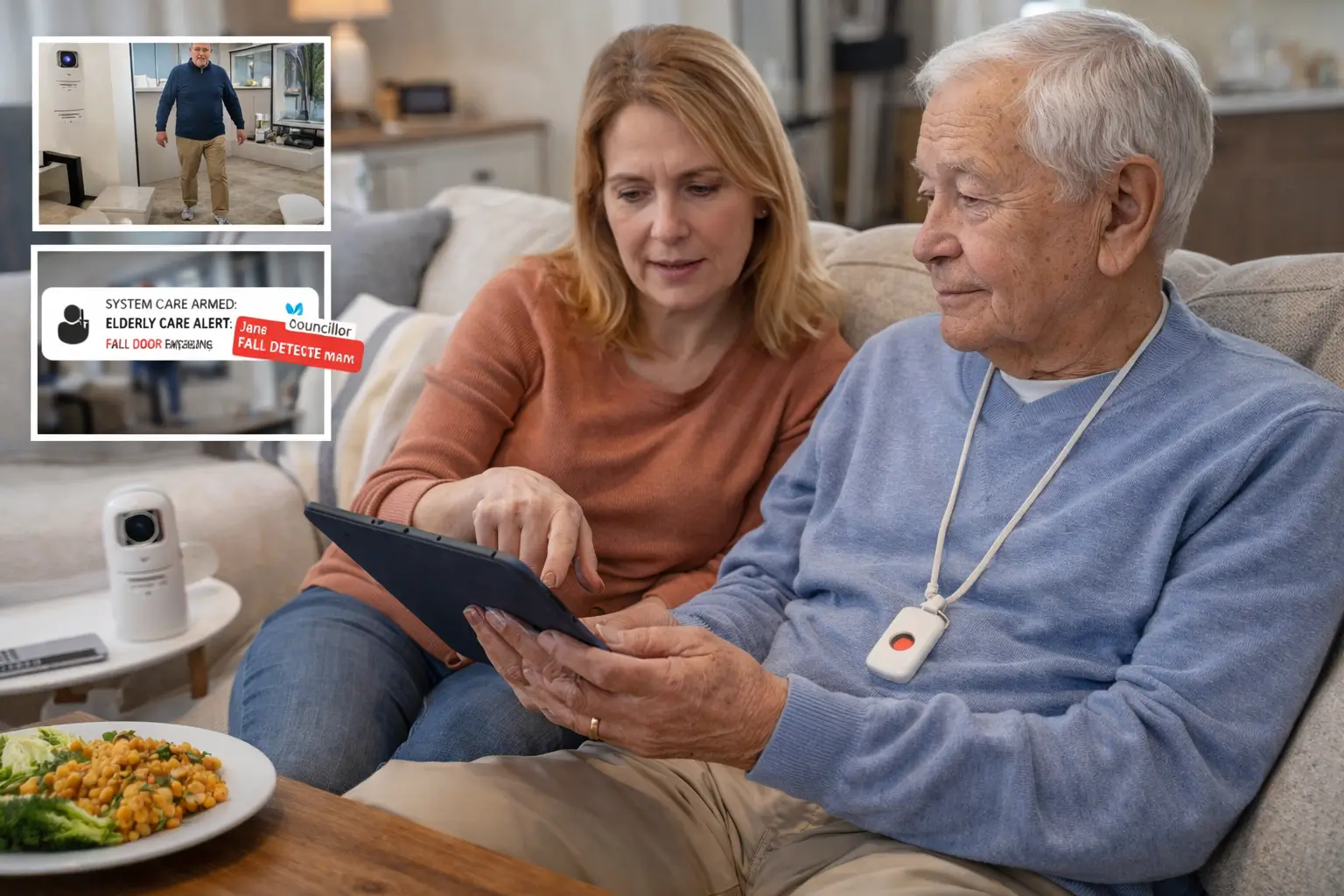
The most common mistake when introducing technology to seniors is piling on too many tools at once. Pick one problem worth solving. Does the person live alone and worry about falling? Start with a medical alert device or a wearable with fall detection. Do they feel isolated? A tablet set up for video calls is a better first step than a smartphone.
When the technology actually solves something in a senior's daily life, they use it. When it doesn't, it collects dust. The problem comes first; the device follows.
Most smartphones and tablets come with accessibility features designed for users who may have difficulty with small text, quiet audio, or complex navigation. These settings are easy to activate and make a significant difference:
Tablets tend to be easier for seniors than smartphones because of their larger screens and more spacious layouts. Many families find success starting with a tablet loaded with a few key apps rather than a full-featured smartphone.
Older adults are disproportionately targeted by cybercrime. According to AARP's 2024 Tech Trends report, nearly three-quarters of Americans age 50 and older have been targeted by cybercrime, and 19% have been victimized directly.
Scammers typically rely on urgency, fear, and impersonation of known institutions. Recognizing those patterns is often enough to stop an attack before any damage is done.
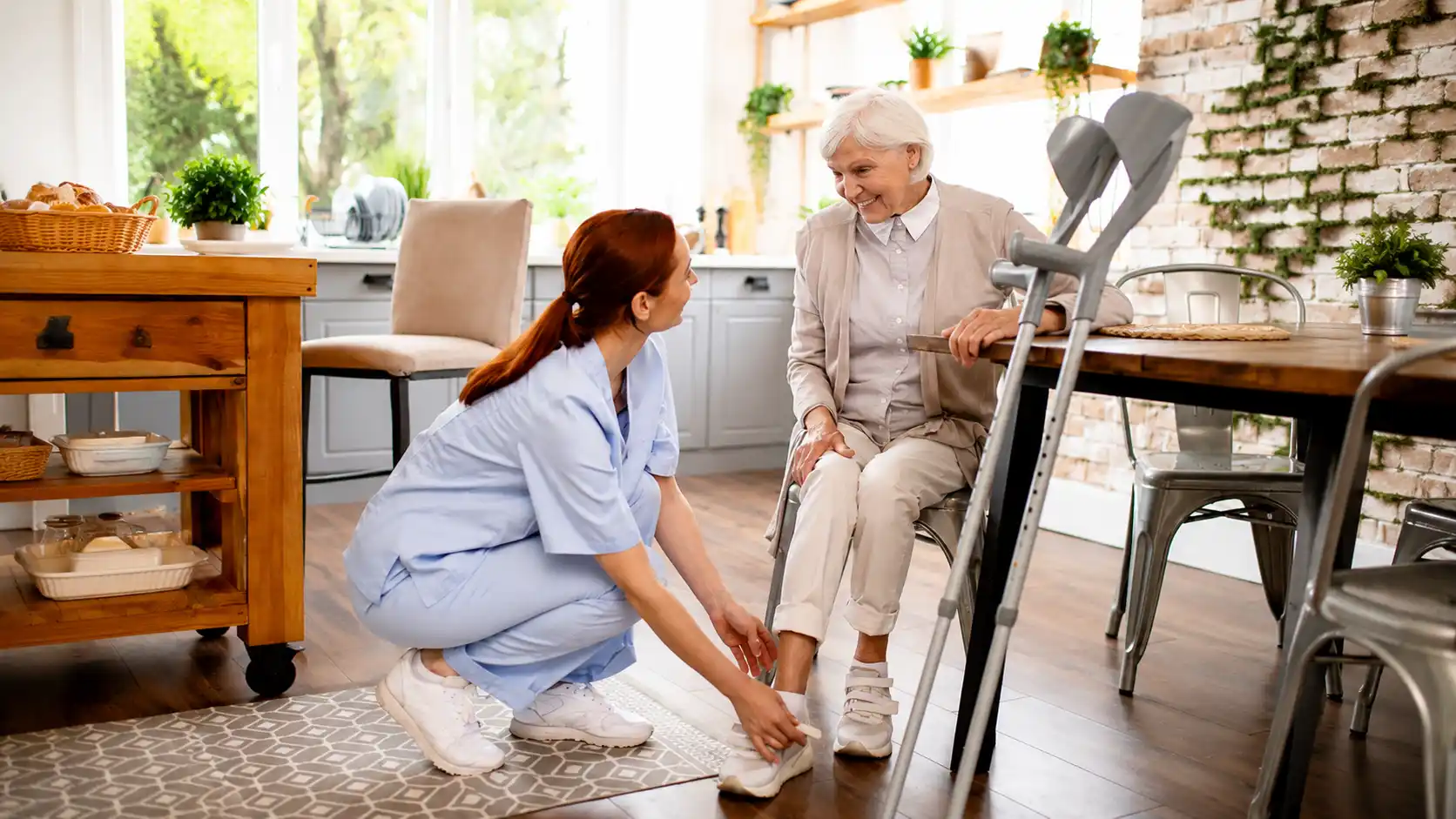
A real person nearby, even available just occasionally, makes technology far less intimidating. Family members, friends, and professional caregivers can all play a role in making the learning process feel manageable rather than overwhelming.
Structured learning programs also exist specifically for older adults. Some good starting points:
The key is finding a space where questions are welcomed without judgment.
For seniors receiving in-home care, a caregiver can become a natural bridge between the individual and the technology around them. At Noah's Dove, our digital monitoring and home safety services work within the daily care routine in a way that feels familiar rather than foreign.
Remote Patient Monitoring (RPM) is one of the fastest-growing areas in senior care. Devices like blood pressure cuffs, glucose monitors, and pulse oximeters now connect to apps and care platforms, sending live health data to physicians without a clinic visit required.
For seniors managing chronic conditions, this matters considerably. The data helps care teams catch changes early, adjust medications, and cut down on emergency room visits. For those with a broader focus on healthy aging, these tools fit naturally into daily routines that support long-term independence.
Noah's Dove's home safety assessment services include an evaluation of the home environment alongside guidance on which technology tools actually fit each person's health needs and living situation.
Technology works best when it fits into a life, not when it forces a life to fit around it. At Noah's Dove, our caregivers in Sacramento support seniors in using the tools that make sense for them, at a pace that feels right.
From personalized senior care services to home monitoring that keeps families informed, we work alongside seniors and their families at every stage. The goal is not a more connected senior. It is a safer, more comfortable one.
Contact us today to learn how we can support your loved one in living safely and independently at home.